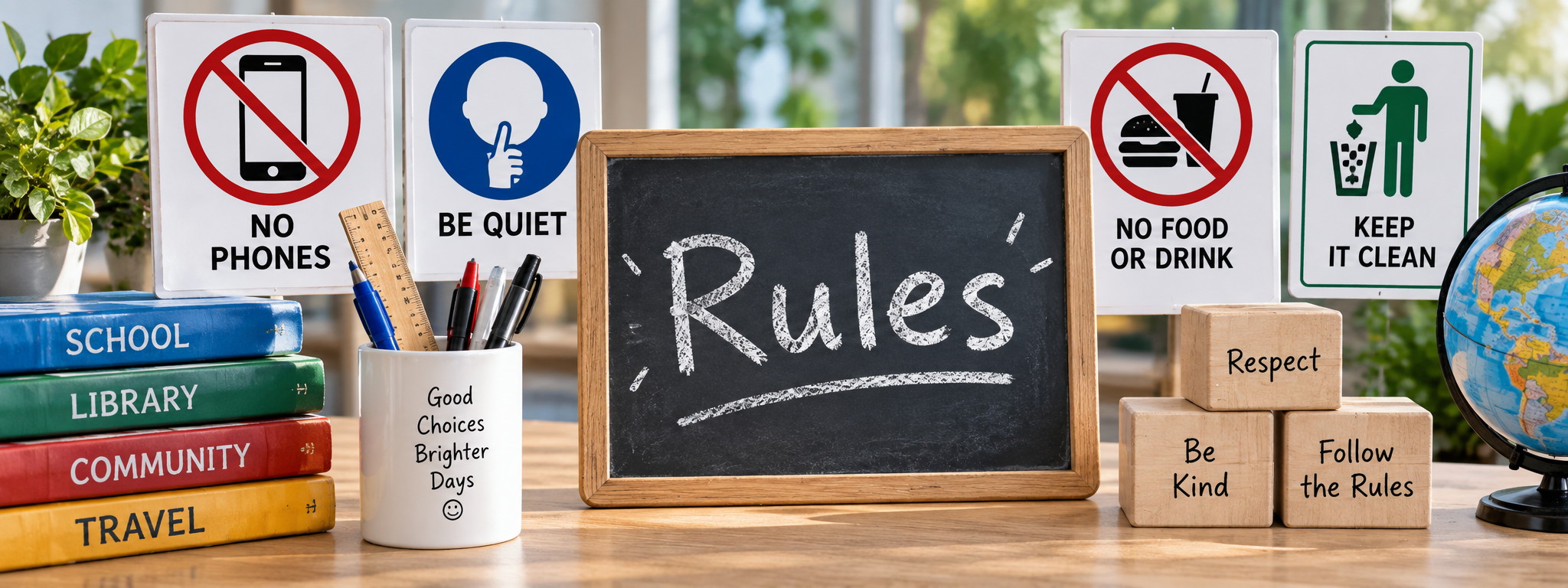
Phones must be switched off during lessons.
Passive Modals
助動詞の受け身 ※「〜されなければならない」など
Active → Passive
People must wear a helmet. → A helmet
must be worn.
You can’t take photos here. → Photos
can’t be taken here.
We should protect old buildings. → Old buildings
should be protected.
Pattern: modal + be + past participle
Warm up. What rules do you have at school/work? What must be done?
What mustn’t be done? What should be done? What shouldn’t be done?
a. Read the situation. Complete each rule with a phrase from the box.
1. We must be quiet here. → Your phone
.
2. This is a museum. → The paintings
.
3. It’s a no-food area. → Food
inside.
4. Cycling is dangerous here. → Helmets
.
5. The floor is wet. → Shoes
at the door.
must be switched offmust not be touchedcan’t be brought
must be wornshould be taken offhas to be shown
b. The modal is given. Add be + past participle, using the verb
in brackets.
1. The baby is sleeping. → The TV must
. (turn off)
2. This vase is fragile. → It should
with care. (handle)
3. That sign is important. → It must not
. (remove)
4. The room is messy. → The toys have to
away. (put)
5. The window is broken. → It must
soon. (repair)
1
a helmet ヘルメット
protect ~ 〜を守る
fragile こわれやすい
handle ~ 〜をあつかう
2.
Interesting Rules from Around the World
世界のおもしろいルール
a. Listen. True or false?
b. Change each rule to the passive (→). Then write what you think on
the two lines.
1. In Switzerland, people cannot wash cars on a Sunday.
→ In Switzerland, cars cannot be washed on a Sunday.
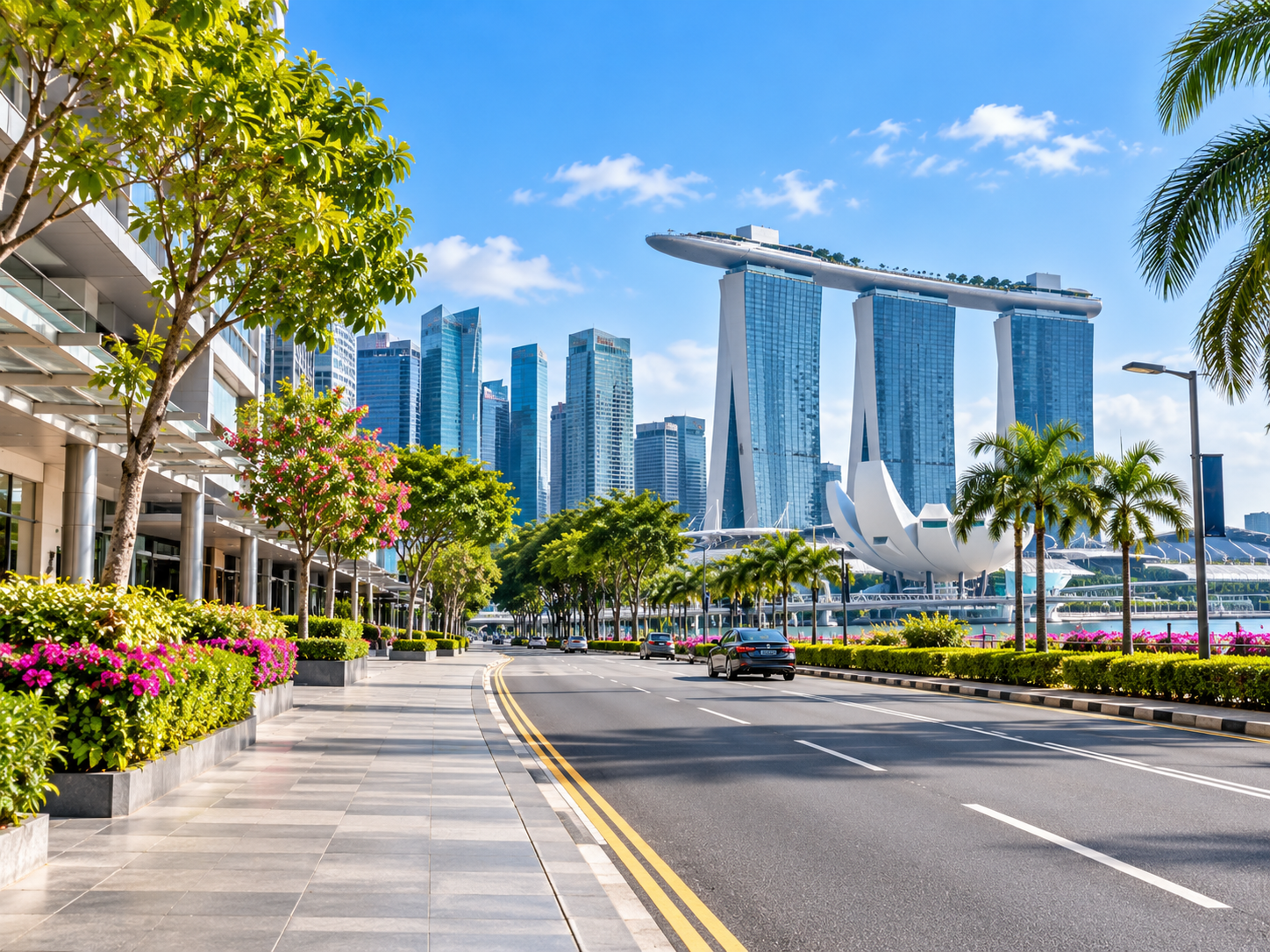
2. In Singapore, people cannot buy chewing gum.
→ In Singapore, chewing gum cannot be .
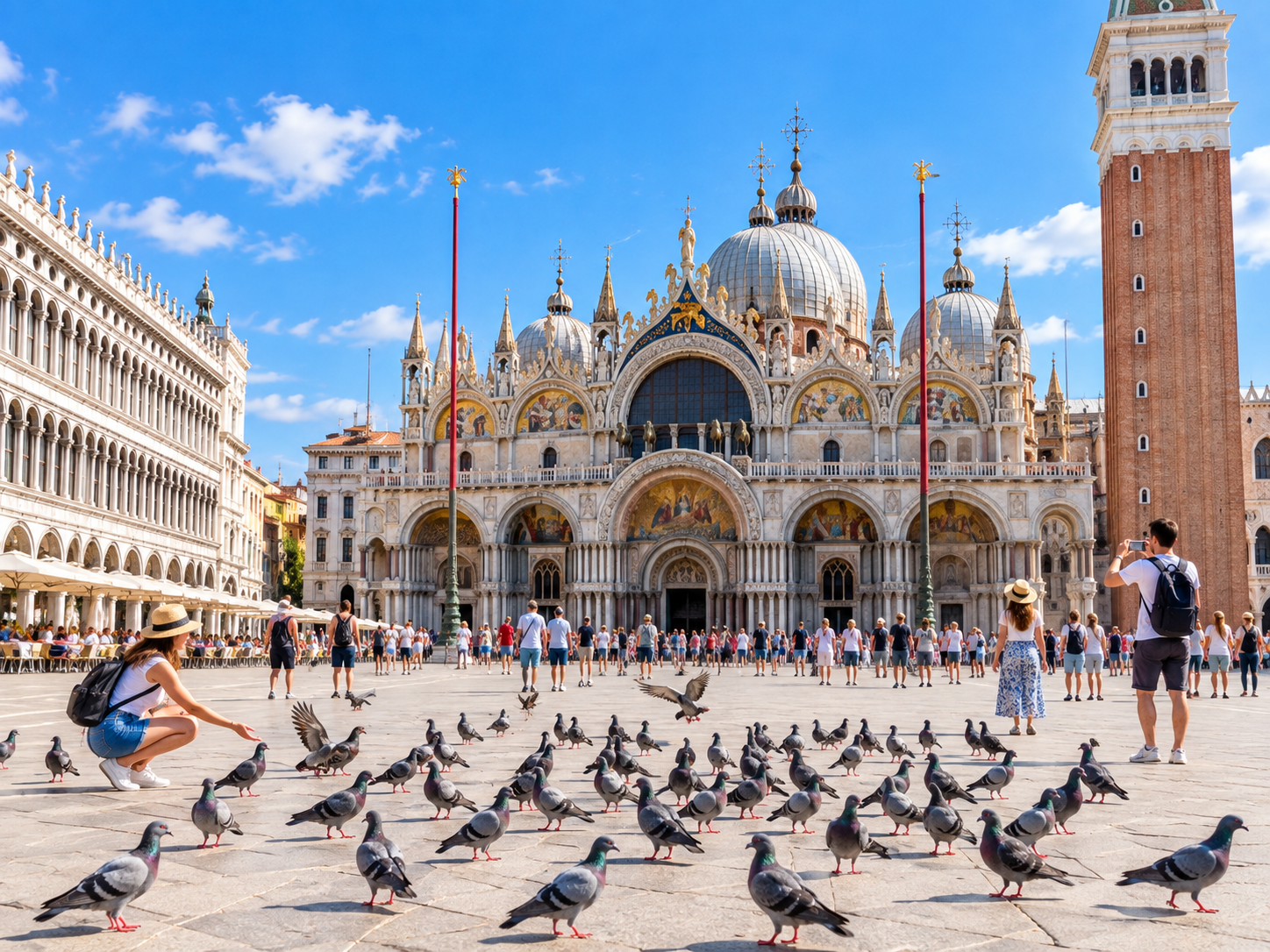
3. In Venice, people must not feed pigeons in the main square.
→ In Venice, pigeons must not .
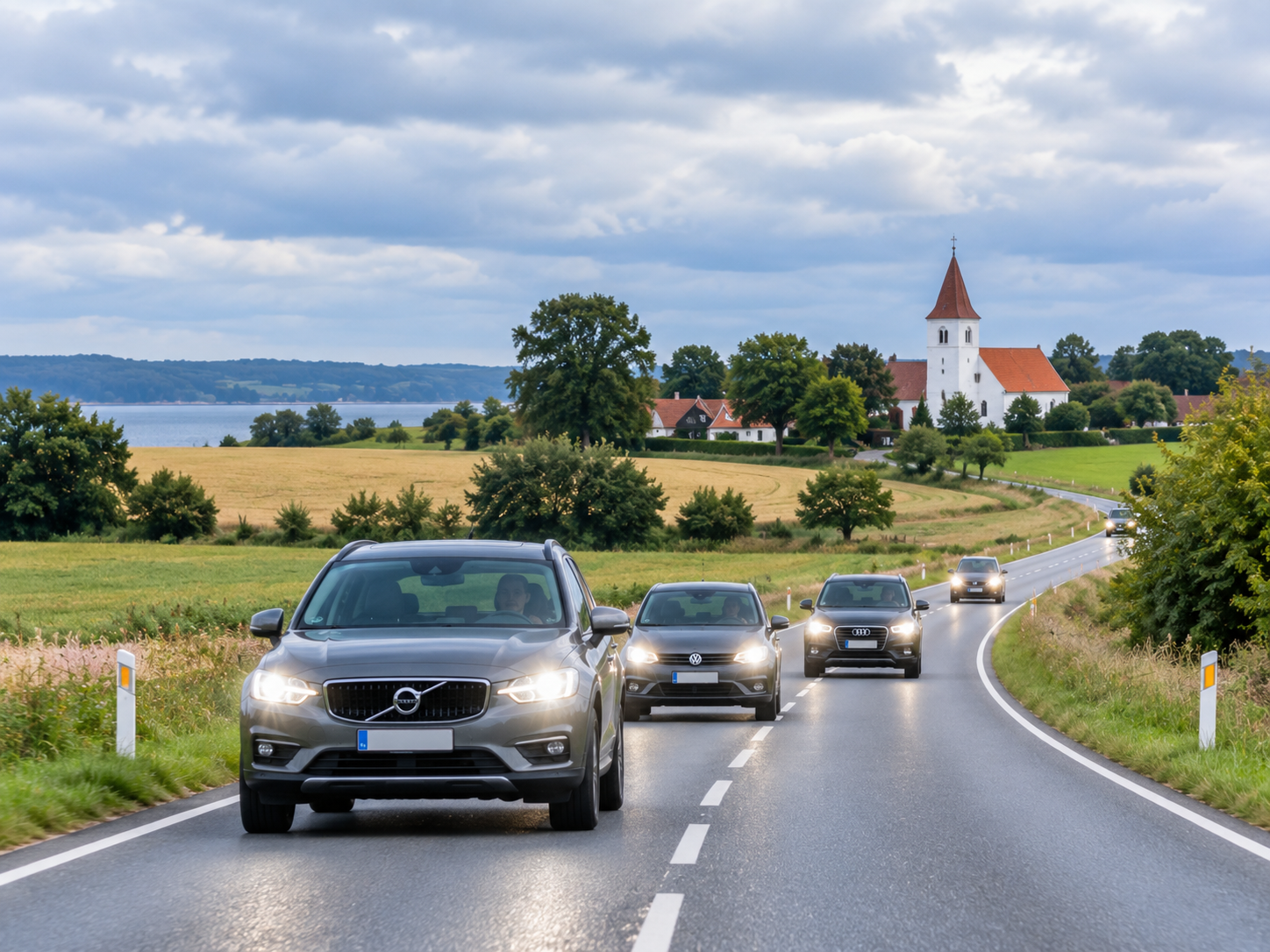
4. In Denmark, people must use their car headlights all day.
→ In Denmark, car headlights .
Verbs:
washedboughtfedused
chosentakenwornstepped on
2
chewing gum ガム
a pigeon ハト
headlights ヘッドライト
Interesting Rules (continued)
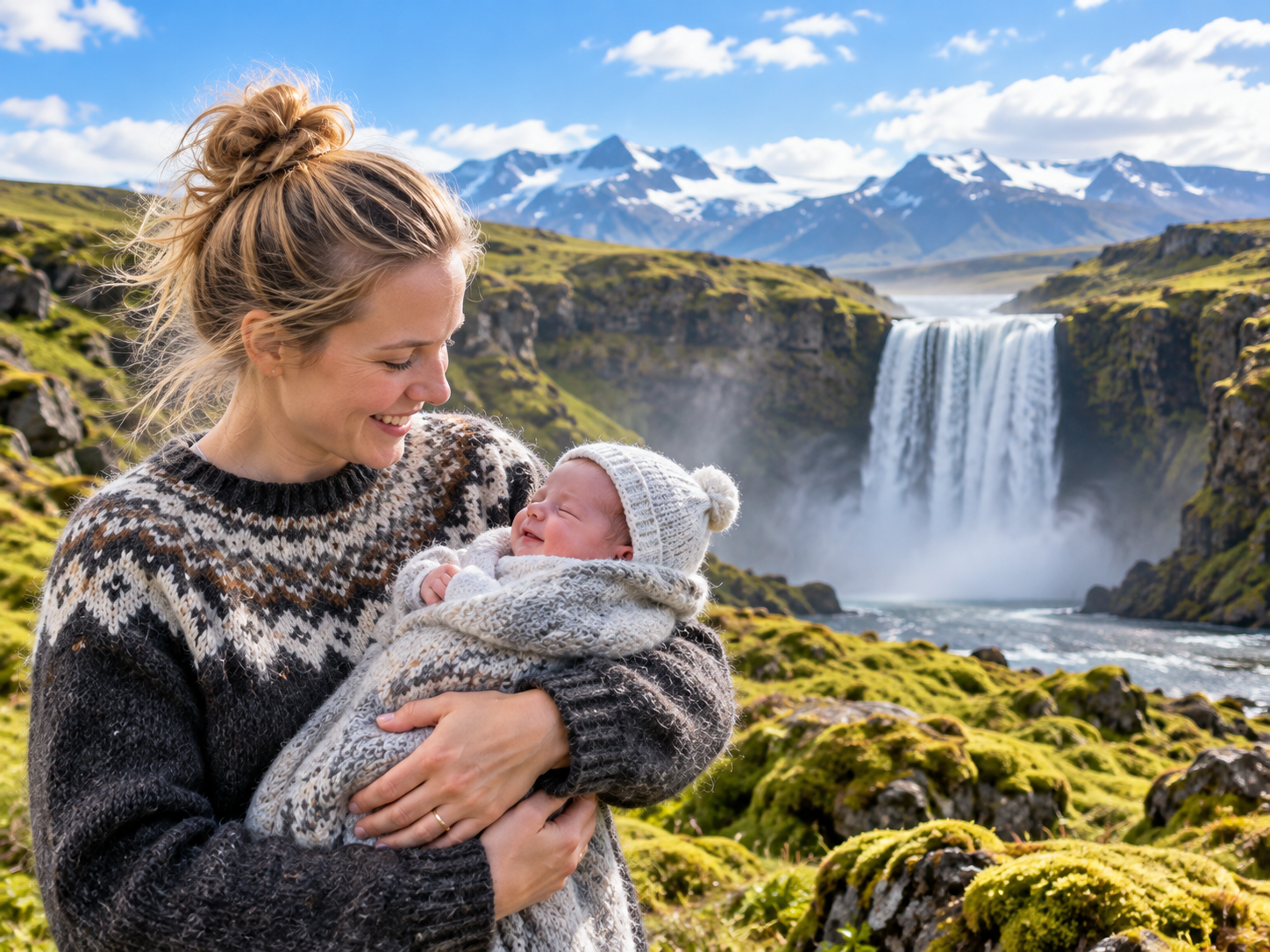
5. In Iceland, parents must choose baby names from a list.
→ In Iceland, .
6. In Portugal, people cannot take seashells from the beach.
→ In .
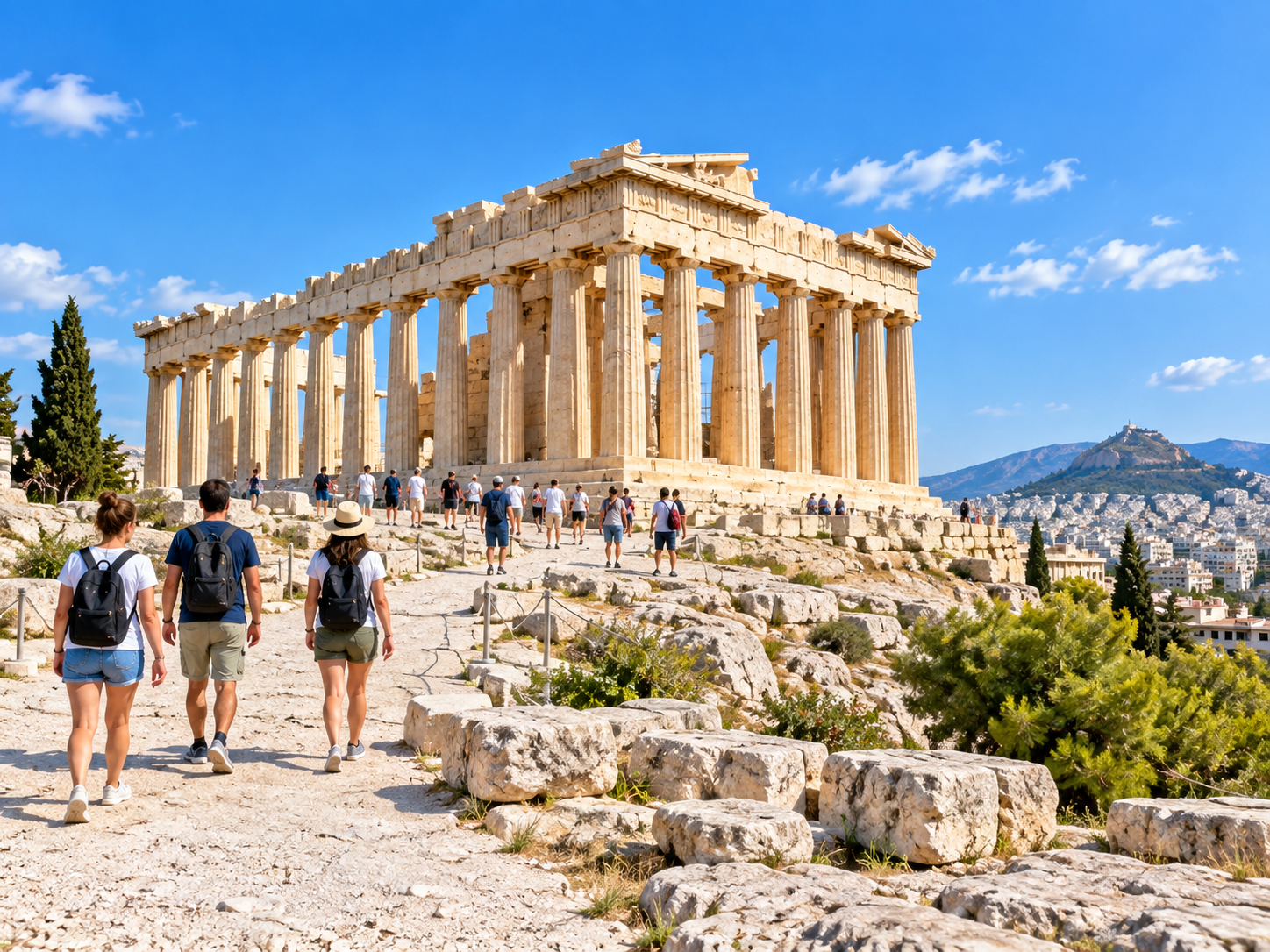
7. In Greece, people cannot wear high heels at ancient sites.
→ .
8. In Thailand, people should not step on money.
→ .
Verbs:
washedboughtfedused
chosentakenwornstepped on
3
a seashell 貝がら
high heels ハイヒール
an ancient site 遺跡
step on ~ 〜を踏む
Discuss, then write an answer with a passive modal, e.g. “Pigeons shouldn’t be fed…”
1.Which rule surprised you the most? Which is the strangest?
2.Which of these rules are good ideas? Which are silly?
3.Are there any unusual rules in Japan, or in your town?
4.Should any of these rules be introduced in Japan?
You are in charge of a new school, town, or
country. Write four rules using passive
modals. Then share them with a partner. Do they agree?
Ideas: what could your rules be about?
School phones · uniforms · homework · snacks · hair · make-up ·
club activities
Town litter · bikes · dogs · noise · graffiti · smoking ·
skateboards · parking · parks
Country plastic bags · wild animals · forests · fireworks ·
hunting · guns · cars in the city
In our ______________ …
… must be ___ · … must not be ___ · …
can(’t) be ___ · … should(n’t) be ___
Verb bank:
worneatentakenkeptusedthrown awayspokenbrought in
4
unusual めずらしい
be in charge of ~ 〜を担当する
introduce ~ 〜を導入する
remove ~ 〜をなくす